
Scope Note: This article summarizes publicly available information and aggregated user experiences. It does not provide medical, diagnostic, or professional guidance. Individual experiences may vary, and no health outcomes should be inferred.
Introduction
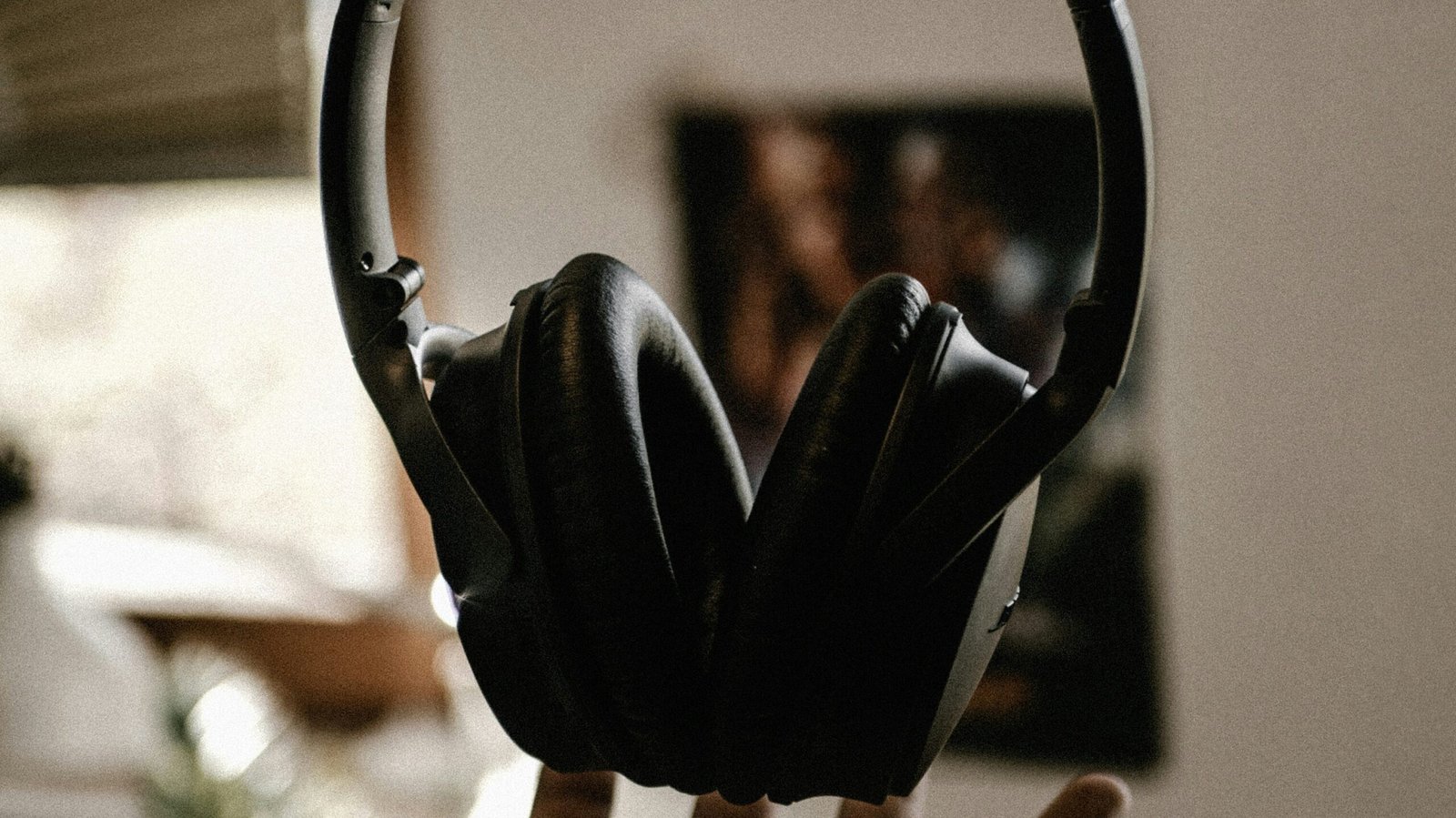
Headphone comfort and fatigue are among the most frequently reported issues during extended listening sessions across over-ear, on-ear, and closed-back headphone models. Based on aggregated user reports, manufacturer documentation, long-running support forums, and independent testing observations, this article summarizes commonly reported patterns associated with discomfort and fatigue.
This overview focuses on observed behavior and design tradeoffs, not individual sensitivity, health outcomes, or product recommendations.
Table of Contents
Commonly Reported Causes of Headphone Comfort and Fatigue
Across brands and price tiers, users frequently report similar factors contributing to discomfort over time:
1. Clamp Force and Headband Tension
Sustained pressure from headband tension is a recurring theme. Even when initial fit feels acceptable, pressure accumulation over longer sessions is frequently cited.
2. Ear Cup Shape and Fit Variability
Ear cup geometry interacts differently with individual head and ear shapes. Uneven pressure distribution or localized contact points are commonly reported, particularly with rigid designs.
3. Heat Buildup
Closed-back designs often retain heat, which users report as reducing comfort during prolonged listening.
4. Weight Distribution
How weight is distributed matters more than total mass. Concentrated pressure at the crown or ear areas is frequently cited in long-session discomfort discussions.
5. Ear Pad Material Interaction
Different ear pad materials—foam density, leatherette, or fabric—affect perceived comfort. Reports indicate that material interaction becomes more noticeable as session length increases.
User-Reported Approaches to Address Headphone Comfort and Fatigue
Users report coping behaviors rather than guaranteed fixes:
- Adjusting fit intermittently
- Taking breaks during longer sessions
- Swapping compatible ear pads where designs allow
- Shortening continuous listening sessions
These behaviors are reported situationally and are not universal solutions.
When Comfort Issues May Be Design-Related
Persistent discomfort is often linked to inherent design tradeoffs, not incorrect usage. Common factors include:
- Closed-back designs prioritizing isolation over ventilation
- On-ear designs concentrating pressure on smaller contact areas
- Stability-focused clamp force balancing movement resistance with comfort
- Lightweight frames relying on tighter fit for positioning
Across reports, comfort concerns tend to emerge during longer continuous sessions rather than brief use, suggesting that fatigue is cumulative rather than immediately apparent.
Why Comfort Issues Persist Across Generations
Despite advances in materials and industrial design, reported comfort issues continue across headphone generations. Aggregated reports suggest these issues reflect structural tradeoffs—stability, isolation, weight distribution, and ventilation—rather than individual configuration errors.
Aggregated reports further suggest these tradeoffs are structural rather than resolvable through incremental design changes alone.
FAQ: Headphone Comfort and Fatigue
Why does headphone discomfort often increase over time?
Support forums and manufacturer documentation frequently indicate that pressure, heat buildup, and material interaction accumulate gradually, making discomfort more noticeable during extended sessions.
Do higher-priced headphones eliminate fatigue issues?
User reports indicate discomfort occurs across both budget and premium models, suggesting that price alone does not resolve comfort tradeoffs.
Why do comfort experiences vary between users?
Differences in head shape, ear structure, usage duration, and environment influence reported comfort variability.
Does discomfort indicate a defective product?
Aggregated reports suggest discomfort does not necessarily indicate a defect and often reflects design or fit tradeoffs present in functioning devices.
Conclusion
Headphone comfort and fatigue are widely reported across multiple headphone types and price ranges. Common contributing factors include clamp force, ear cup geometry, heat buildup, weight distribution, and material interaction. While users report situational adjustments, persistent discomfort is often associated with design constraints rather than incorrect use.
Reported discomfort does not imply injury, damage, or long-term effects, and no such outcomes are evaluated here.
Sources and Reference Context
This article draws on aggregated user discussions from long-running audio forums, manufacturer support documentation addressing fit and usage considerations, and independent testing organizations evaluating headphone design tradeoffs. Representative sources include:
- Sony Support — Headphone fit and comfort considerations
https://www.sony.com/electronics/support/articles/00248807 - Bose Support — Wearing headphones correctly
https://www.bose.com/en_us/support/articles/HC2757.html - RTINGS — How We Test Headphone Comfort
https://www.rtings.com/headphones/tests/design/comfort - SoundGuys — Headphone Comfort and Fit Explained
https://www.soundguys.com/headphone-comfort-fit-guide-31827/ - Head-Fi.org — Full-Size Headphones Discussion Forum
https://www.head-fi.org/forums/headphones-full-size.4/
Related Reading
Audio & Translation Tools — Category Overview