
Scope
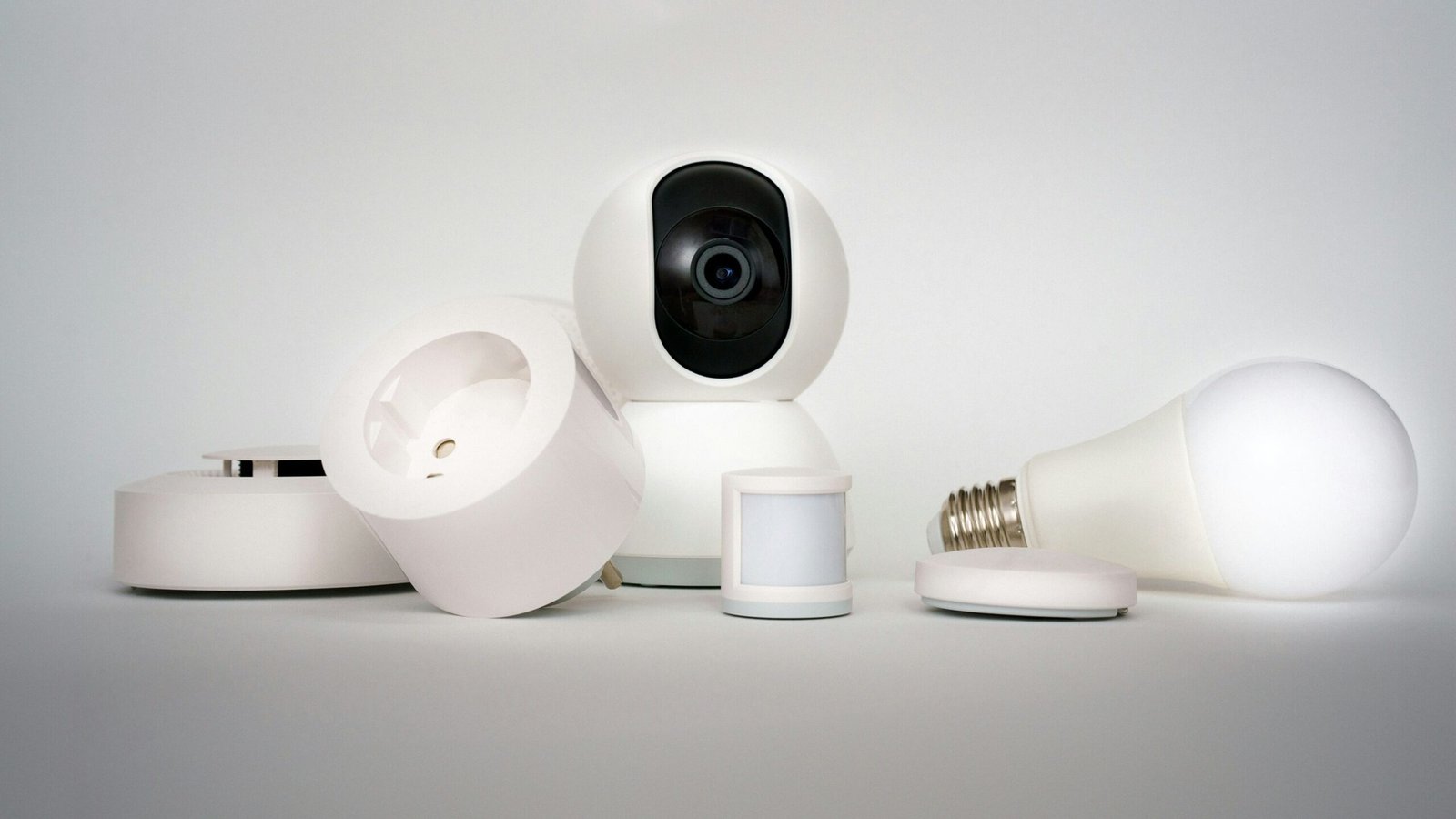
This article synthesizes patterns observed across six measurement‑behavior domains:
- smart bulb connectivity
- voice assistant interpretation
- thermostat sensor accuracy
- door lock timing
- camera motion detection
- plug state synchronization
It identifies shared mechanisms, divergent behaviors, and cross‑domain structures without offering troubleshooting, recommendations, or product‑specific guidance.
Overview
Smart home behavioral variability follows recognizable patterns across communication timing, sensor interpretation, environmental influence, and multi‑device coordination. These patterns appear consistently across ecosystems, device generations, and architectural layouts, forming a unified structure that explains why different device categories exhibit similar forms of drift, delay, or misinterpretation.
Table of Contents
Cross‑Domain Mechanistic Framework
Across all six domains, four foundational mechanisms shape device behavior and explain how smart home behavioral variability emerges across systems:
1. Wireless Communication Variability
Low‑power protocols, mesh routing, interference, and edge‑of‑range conditions influence timing and reliability.
2. Sensor and Input Interpretation
Devices interpret acoustic, thermal, mechanical, or visual signals using thresholds, smoothing, and classification layers.
3. Environmental and Architectural Influence
Room layout, materials, airflow, lighting, and physical obstructions shape how devices perceive and respond.
4. Multi‑Device and Multi‑Layer Coordination
Hubs, cloud services, and local controllers apply timing logic, arbitration rules, and synchronization processes.
These mechanisms recur across all device types, producing parallel behavioral patterns.
Unified Taxonomy of Smart Home Variability
1. Timing Variability
Appears in:
- smart bulbs (routing delays)
- door locks (command and state‑update delays)
- speakers (audio latency)
- plugs (state desynchronization)
Timing variability reflects communication intervals, buffering, routing, and confirmation logic.
2. Interpretation Variability
Appears in:
- voice assistants (intent mapping)
- cameras (motion classification)
- thermostats (temperature and occupancy interpretation)
Interpretation variability emerges from thresholds, smoothing, classification, and contextual inference.
3. Environmental Sensitivity
Appears in:
- thermostats (heat sources, airflow)
- cameras (lighting, shadows, environmental motion)
- speakers (interference, placement)
- bulbs (signal attenuation through walls)
Environmental factors shape how devices perceive and respond to real‑world conditions.
4. State‑Reporting Divergence
Appears in:
- smart plugs (desynchronization)
- door locks (pending or unknown states)
- bulbs (inconsistent responsiveness)
State divergence reflects polling intervals, acknowledgment timing, and interpretation‑layer delays.
5. Multi‑Device Arbitration and Coordination
Appears in:
- voice assistants (multi‑device wake‑word arbitration)
- speakers (multi‑room sync drift)
- bulbs and plugs (mesh routing behavior)
Coordination variability emerges when multiple devices share communication paths or interpret the same event.
Cross‑Domain Drift Curve
Across all six categories, behavioral drift follows a similar progression:
- Minor, occasional variability
- Environment‑ or timing‑dependent inconsistencies
- Interpretation or state‑reporting divergence
- Multi‑device or multi‑layer amplification
- Persistent patterns in specific locations or conditions
This curve reflects how communication, sensing, and interpretation layers accumulate variability over time.
Comparative Matrix of Device Behaviors
| Domain | Primary Mechanism | Secondary Mechanism | Typical Pattern |
|---|---|---|---|
| Smart Bulbs | Wireless routing | Hub interpretation | Delayed or inconsistent responsiveness |
| Voice Assistants | Acoustic interpretation | Contextual inference | Misheard commands, false activations |
| Thermostats | Thermal sensing | Environmental influence | Room‑to‑room variability, drift |
| Door Locks | Mechanical confirmation | Wireless timing | Slow state updates, pending states |
| Cameras | Visual classification | Lighting conditions | Missed or false motion events |
| Smart Plugs | Polling intervals | Routing behavior | App/device state mismatches |
This matrix highlights structural similarities across domains despite differing device functions, illustrating how smart home behavioral variability appears consistently across categories.
Shared Patterns in User‑Reported Behavior
Across all categories, users commonly describe:
- delayed responses
- inconsistent state reporting
- environment‑dependent variability
- differences between devices in the same home
- drift that becomes predictable over time
- behavior that varies by room, distance, or placement
- classification or interpretation differences across similar events
These patterns reflect the shared mechanisms underlying smart home systems.
Why This Matters
Understanding smart home behavioral variability provides a unified framework for interpreting smart home behavior. Rather than viewing each device category as isolated, this synthesis shows how communication, sensing, and interpretation layers produce parallel patterns across lighting, audio, sensing, access control, and automation systems.
Links to related articles
For domain‑specific behavioral patterns, see:
- Smart Plug State Desynchronization
- Smart Speaker Audio Latency
- Smart Camera Motion Detection Variability
- Smart Door Lock Delays
- Smart Thermostat Sensor Accuracy
- Voice Assistant Misinterpretation
- Smart Bulb Connectivity Issues
For an overview of smart home behavior across devices, see the Smart Home Category Hub.